
Blog
- Home
- Blog
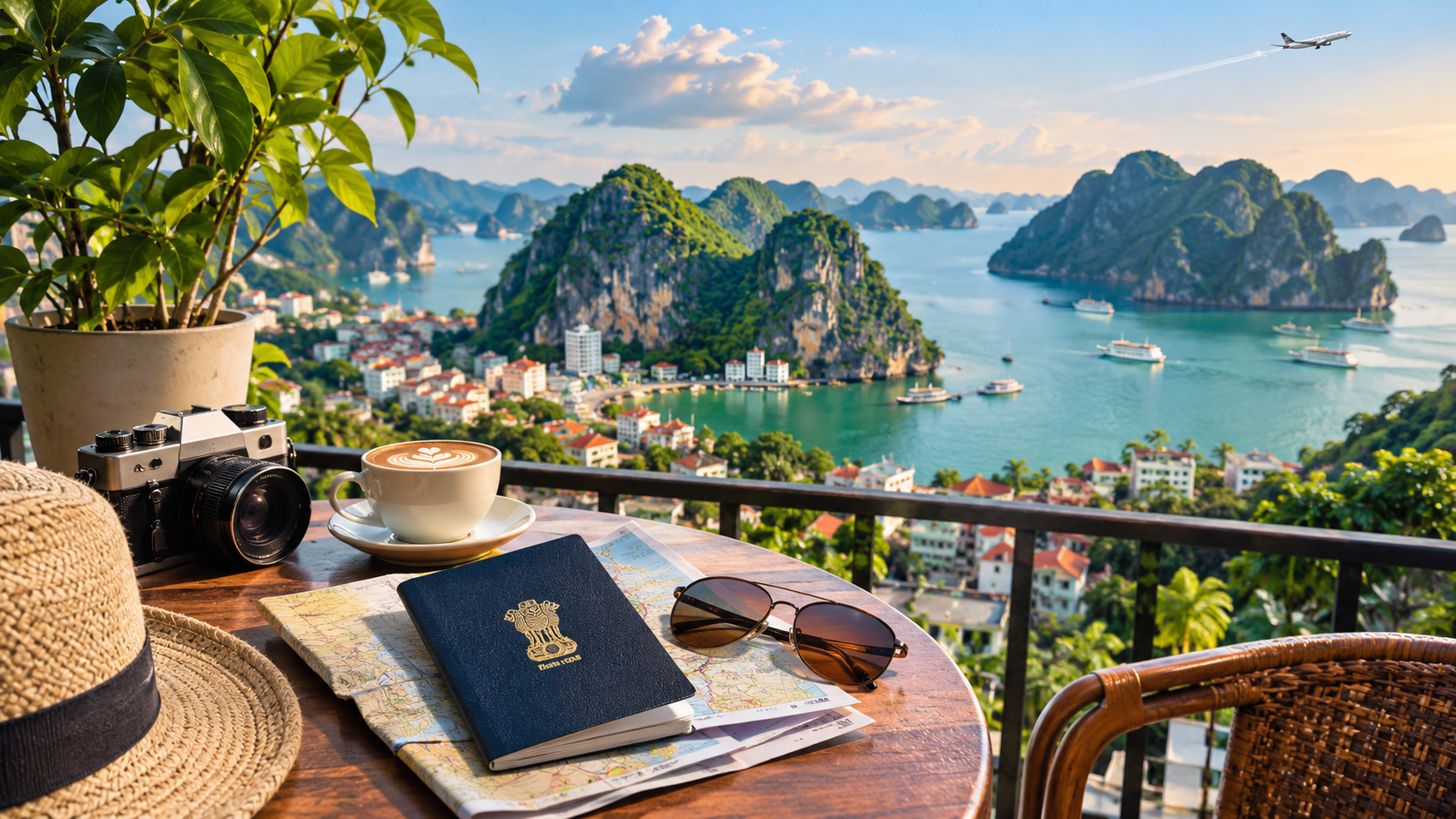
Visa-Free Countries for Indians in 2026: Complete List with Stay Duration
Planning an international trip is exciting until the visa enters the picture. The forms, the appointment slots, and the requests for “one more document” can drain the joy out of a holiday before it begins. At Travel Talk, readers ask us the same question every week: where can I go without all that? The good news is that the Indian passport takes you further than most people realise. Depending on the index you follow, roughly 25 to 30 countries allow Indians to enter with no visa at all. Add visa-on-arrival and e-visa destinations, and the number passes 100. One caution before we begin: visa rules change often. Malaysia opened up for Indians this year, while Thailand returned to visa-on-arrival after ending its 60-day exemption in May. Treat this list as a starting point, and check the official website before you book anything. Close to Home Nepal is the simplest option. There is no visa and no time limit, and a passport or voter ID is enough. Bhutan also needs no visa, but you must obtain a permit and pay the daily Sustainable Development Fee, so budget for it. Malaysia allows stays of up to 30 days, and the visa-free access is currently valid until 31 December 2026. Kuala Lumpur’s food scene alone justifies the trip, and Langkawi and Penang make easy add-ons. Sri Lanka has been running a free visa scheme for Indians, usually covering about 30 days. Hong Kong allows 14 days, though you must register online first and show a hotel booking. Macau allows 30 days. Kazakhstan has quietly welcomed Indians without a visa for several years. You can stay up to 14 days per visit, with a cap of 42 days in any 180 days. It suits anyone who wants mountains, Almaty’s cafés, and a trip that isn’t Bali again. Islands and Beaches Maldives and Mauritius both allow up to 90 days. You won’t need that long, but it’s reassuring. Both ask for a confirmed booking and proof that you can fund your stay. The Seychelles uses a free visitor permit, which is simple to get and often counted as visa-free. Farther out, the Caribbean is surprisingly welcoming. Barbados, Saint Kitts and Nevis, and Haiti allow around 90 days, while Dominica and Montserrat can stretch to six months. In the Pacific, Fiji allows up to 120 days. These places are expensive and far away, but if you have a long break or work remotely, the generous limits help. Africa Rwanda offers about 30 days and is a top choice for gorilla trekking. Angola also allows 30 days, and Senegal up to 90. They aren’t the usual first-trip picks, but they reward travellers who like quieter, less crowded places. Stay Duration at a Glance Country Typical stay Nepal Unlimited Bhutan Permit-based (SDF applies) Maldives 90 days Mauritius 90 days Barbados 90 days Malaysia 30 days (till 31 Dec 2026) Sri Lanka ~30 days Rwanda ~30 days Hong Kong 14 days Kazakhstan 14 days per visit (max 42 in 180 days) Beware of Outdated Lists Many blogs skip this point. Indians reportedly lost visa-free access to Iran and Bolivia this year, yet plenty of websites still list both. If a list carries no date, be suspicious. If it does, make sure it is recent. “Visa-Free” Still Has Rules This catches travellers out at the airport more than anything else. No visa does mean no questions. Officers may ask for: A passport with six months’ validity (a few countries accept less) A return or onward ticket Proof of accommodation Proof that you have enough money Sometimes, travel insurance Visa-free entry is also for tourism only. You cannot work or take paid assignments, and overstaying can lead to fines or bans. Visa-Free, Visa-on-Arrival and e-Visa: What’s the Difference? People confuse these constantly, so here is the short version. Visa-free means you arrive with your passport and documents and simply walk in. Visa-on-arrival means you receive the visa at the airport, usually for a fee, often with a photo and some cash. Cambodia, Laos, and Qatar work this way. An e-visa means you apply online beforehand and carry the approval with you. It is quick, but it is not free entry. Tips from Travel Talk Start with somewhere easy. Nepal, Mauritius and the Maldives are ideal for a first trip abroad. Keep digital and printed copies of every document. Check whether your layover country needs its own visa, since that one surprises many travellers. And remember pre-registration forms for places like Hong Kong. So, Where To? The Indian passport may not top any global ranking, but it can still take you to mountains, reefs and rainforests without a single embassy visit. Pick a destination, confirm the latest rules, pack light and go. If you would rather have flights, hotels and visa help sorted for you, explore our international tour packages or browse all our holiday packages. Safe travels from all of us at Travel Talk. Disclaimer: Visa rules change often, and sources do not always agree. Please confirm current requirements with the destination’s official immigration website or embassy before you travel.

Complete Travel Planning Guide: Tour Packages, Hotel Booking, Flights and Visa Tips
The best trips feel effortless. The flight is on time, the hotel is exactly as promised, and the visa arrived a week early. That kind of ease isn’t luck. It’s planning. In this Travel Talk guide, we’ll walk through everything that matters, from choosing the right trip packages to booking flights, finding a comfortable stay, and getting your visa sorted, so your only job is to enjoy the trip. Package or Self-Planned: Which Suits You? The first decision shapes everything else. You can build the trip yourself, piece by piece, or choose a ready-made bundle. Doing it all yourself gives you full control over your dates, stops, and spending. The trade-off is effort. Comparing fares, reading hotel reviews, and organising airport transfers can quietly swallow an entire weekend. Tour packages take that work off your plate by bringing flights, hotels, sightseeing and transfers together under one price. Group bookings often come with better rates than you’d get alone, and if your plans change, there’s just one person to call. They work especially well for families, senior travellers and first-time visitors to a destination. If you’re travelling with kids or elderly parents, trip packages are worth serious consideration. Someone else handles the logistics, and you focus on the holiday. One warning: always read the inclusions list. Entry tickets, some meals, and airport pickups are often extra, and that’s where a “cheap” deal quietly stops being cheap. Discover India Before Going Abroad Not every wonderful holiday needs a passport. Within one country, you can find the backwaters of Kerala, the palaces of Rajasthan, the mountains of Himachal and the beaches of Goa. India tourism packages are a smart choice if you’re short on time. Popular circuits like Delhi, Agra and Jaipur come with local guides who know the best hours to visit each monument and where to eat well. For peak season, roughly October to March, book six to eight weeks ahead, because trains fill up and hotel rates rise quickly. For a long weekend or a full two-week trip, the smartest India tourism packages are the ones that leave room for free time instead of packing every hour with sightseeing. Thinking of Going Abroad? Overseas travel adds extra moving parts: visas, currency exchange, insurance, and unfamiliar rules. That’s why international travel packages to Dubai, Thailand, Singapore, Bali, or Europe are so popular. Many include visa assistance and airport transfers, which take a lot of stress out of a first international trip. Before paying any deposit: Compare at least three operators. Read recent reviews on independent platforms. Check cancellation and refund terms in writing. Confirm whether travel insurance is included. Good international travel packages should tell you clearly what is covered, what isn’t, and what happens if your plans change. Smart Ways to Book Flights Flights usually take the biggest bite out of a travel budget, so it pays to be strategic. Timing: If you’re flying within India, try to book about a month or two ahead, and you’ll usually land a decent fare. For international trips, start looking two to four months before you travel, because that’s when prices tend to be friendliest. Flexibility: If your dates can move, fly midweek. Tuesday and Wednesday flights are often cheaper than weekend ones. Most booking sites also offer a fare calendar that displays the cheapest days at a glance, so please take a moment to check it before finalising your payment. Fine print: A low fare that excludes baggage, meals, and seat selection may cost more than a slightly pricier ticket that includes them. Also make sure the name on your ticket matches your passport exactly, since corrections can be costly. Choosing the Right Hotel The cheapest room isn’t always the best value. A well-located hotel saves you time, cab fares, and energy every single day of your trip. Think about what your trip actually involves before you pick a location. If you’re sightseeing, stay close to the main attractions or a well-connected transport hub. If you’re travelling for work, choose a hotel near the business district to avoid long commutes. A room near the railway station also makes early departures and late arrivals much easier. For example, if Gujarat is on your route, many travellers book a hotel in Vadodara close to the station or the city centre, so major sights are just a short ride away. Some habits that help in any city: Read reviews from the last few months, not the last few years. Check guest-uploaded photos, not just professional shots Confirm breakfast, Wi-Fi, and cancellation terms before paying. Look at the distance to transport and main attractions. If you’d rather not compare dozens of options, Travel Talk can help you book a hotel in Vadodara or any other city to match your budget and travel dates. Getting Your Visa on Time Of all the things on a travel to-do list, the visa is the one people put off the longest. Then the panic starts. Requirements vary widely. Some countries offer Indian passport holders visa-free entry or visa on arrival, while others, including the Schengen countries, the UK, and the USA, require appointments and detailed paperwork. Here’s what I’d do, in this order: Look at your passport today. It should be valid for at least six months after you return, and it needs a couple of blank pages. Read the requirements on the embassy or consulate’s official website. Rules change often, and old blog posts (including ours) can go out of date. Collect your documents early: bank statements, itinerary, hotel bookings, photos, and travel insurance. Apply sooner than you think you need to. Some visas come through in three days; others take a month. Ignore anyone who says approval is guaranteed. Only the embassy decides, and no agent can promise it. Not confident about the paperwork? Let a travel partner handle it. Visa support is worth having, especially for first-time international trips. Before You Leave A few small things can save

How to Choose the Best Travel Agency in Vadodara for Domestic and International Tour Packages
Talk to almost anyone in Vadodara about their last trip, and there’s a good chance they’ll bring up something that went wrong. A hotel that looked nothing like the pictures. A driver who just didn’t show up at the Jaipur station. A visa appointment booked for a date that made zero sense. Most of this stuff is avoidable—you just have to be a bit more careful about who you hand your booking to. We’re Travel Talk, and honestly, we hear the same question from people in Vadodara almost every week—how do you actually find a travel agency you can trust? Not the flashiest one, the trustworthy one. Here’s what we’d tell a friend if they asked. Stop comparing prices first. Everyone does this. Get three quotes, line them up from cheapest to most expensive, and call the first number. The problem is, the cheap quote is usually cheap for a reason—a hotel that’s technically “near” the city but actually 12 km out, no meals included, sightseeing costs that show up later. Before you even look at price, check reputation. Actually read the Google reviews instead of just glancing at the stars. Ask around—a neighbor, a colleague, anyone who’s booked through them before. Find out how long they’ve actually been in business. The best travel agency in Vadodara is often the one that clients consistently return to. See if they actually handle both domestic and international Some agents know Goa and Kerala like the back of their hand but go quiet the second you mention Bali or Switzerland. If your family’s doing Vaishno Devi this year and Dubai the next, it’s a lot easier when one team already knows your budget, how quickly (or slowly) you like to move, and what your parents can realistically handle. That’s usually what makes someone the best international travel agency in Vadodara for your family specifically—they’re the same people who sorted your Kerala trip last Diwali. Watch whether they actually listen. A honeymoon couple, a family with two young kids, and six friends travelling on a shoestring—even if all three are headed to Thailand, these are not the same trip. Pay attention to that first conversation. Are they asking about your dates, your budget, and whether your parents can walk a lot? Or do they just fire off a PDF and say the deal expires tonight? A top travel agency in Vadodara will slow down and actually understand what you need before trying to sell you anything. Visas and the paperwork mess This is honestly where a good agent proves their worth. Visa rules shift, photo specs are oddly specific, and some embassies want bank statements formatted a very particular way. Get one thing wrong, and your application bounces back—sometimes after you’ve already booked flights. Experienced international travel agents in Vadodara deal with this constantly, so they know exactly what each embassy tends to be picky about. At Travel Talk, we sit down with first-timers and go through every document together, because it’s far too easy to miss something. Get it in writing—all of it. Ask what’s actually included. Airport pickup and drop-off? Just breakfast, or dinner too? Are entry tickets covered for the places on the itinerary? What about GST and TCS? What happens if your dates change? A top travel agency in Vadodara won’t hesitate to put this down on paper or even just WhatsApp. If they start being vague, that tells you everything. Don’t underestimate the food issue. A lot of Vadodara families are vegetarian; plenty follow Jain food rules too, and in places like Vietnam or parts of Europe, that can genuinely be tough. Mention it early. Good international travel agents in Vadodara will pick hotels that actually offer a proper vegetarian breakfast, plan lunches near Indian restaurants, and—this matters—tell you honestly if a destination is going to be hard on that front. What happens when things go wrong? Because something usually does. Flights get delayed, luggage disappears, and a kid gets a fever at midnight. What actually matters is whether someone answers the phone when that happens. Ask if you’ll have a direct number for the trip and whether that person is reachable at odd hours. The best international travel agency in Vadodara isn’t the one with the nicest brochure—it’s the one that picks up at 11 pm when you’re stranded at some airport you didn’t expect to be stuck in. That’s the bar we try to hold ourselves to. Questions worth asking before you pay anything How many trips like mine have you actually handled recently? Can I talk to someone who travelled with you last month? What’s the real refund and cancellation policy—not the marketing version? Who do I call if something goes wrong mid-trip? Honestly, how they answer these tells you more than any brochure or ad ever will. Domestic vs. international—the priorities aren’t the same. For trips within India, it’s mostly about comfortable transport, a hotel that’s actually well-located, and booking early—Diwali, summer holidays, long weekends, all of it fills up fast. For international trips, the whole list shifts—visas, connecting flights, currency, and travel insurance. That’s part of why a lot of families use a local agent for short domestic trips but switch to specialist international travel agents in Vadodara the moment they’re flying out of the country. Final thoughts At the end of the day, booking a trip is about trust. You’re handing over your money and your time off, so it’s completely fair to be picky. Talk to two or three agencies, ask the questions that feel slightly awkward, and go with whoever made you feel most comfortable—not whoever pushed hardest. If you’re still figuring out who to go with, keep this list somewhere handy—it tends to be the difference between a trip that goes fine and one that actually goes well. At Travel Talk, we handle everything from a quick weekend in Goa to a full two weeks across Europe. Whether you’re

International Holiday Packages: Top Overseas Destinations You Must Visit This Year
A Travel Talk GuideThere’s a particular kind of restlessness that hits every year around this time — you scroll through a friend’s vacation photos, or maybe you just glance at your calendar and realise you haven’t taken a real break in far too long. If that sounds familiar, you’re not alone. More people than ever are choosing to travel abroad, and honestly, it makes sense. Life’s short, passports don’t expire that fast, and there’s a whole world out there that doesn’t care whether you’ve “figured everything out” yet. The good news is that getting to that world doesn’t have to be complicated. A well-chosen international holiday packages can take care of the messy parts — flights, hotels, transfers, the panic of not knowing which neighbourhood to book in — so you can actually just enjoy the trip instead of managing it like a part-time job. At Travel Talk, we spend our days figuring out exactly which destinations and deals are worth your time. So let’s talk about where to go this year and how to pick a package that actually fits you instead of some generic “one size fits all” itinerary. Why Bother With a Package At All? I get it — some travellers like piecing together their own trips flight by flight, hostel by hostel. There’s a certain pride in that. But if you’ve ever tried to book an overseas trip solo, you know how quickly it can eat up your evenings. Comparing airlines, figuring out visa rules, hunting for a hotel that isn’t secretly forty minutes from anything worth seeing — it adds up. This is really where international vacation packages earn their keep. A good one bundles your flights, stay, local transport, and often a few guided experiences into a single, reasonably priced deal. Many even throw in visa help or travel insurance, which takes a surprising amount of stress off your plate. If you’re new to international travel, or you just don’t want your vacation to start with a spreadsheet, this route makes a lot of sense — and it’s exactly the kind of planning Travel Talk builds its packages around. Where to Actually Go This Year Bali, Indonesia Yes, everyone talks about Bali — but there’s a reason for that. It’s not just the beaches, though those are lovely. It’s the rice terraces in Ubud, the quiet temples tucked into the hills, the way the whole island seems to slow your heart rate down a notch. A lot of overseas travel packages built around Bali include private villa stays, surf lessons, and day trips to Uluwatu Temple for sunset. It works equally well for a honeymoon or a solo reset, and it’s one of the most requested itineraries in the Travel Talk lineup. Switzerland If you want your jaw to drop a little, Switzerland delivers. Think train rides through the Alps where you keep forgetting to look at your phone because the view outside the window is that good. Interlaken and Zermatt are the towns people usually chase, and if your package includes a Swiss Travel Pass, you’ll be glad — unlimited trains, buses, and boats without the constant ticket math. Travel Talk’s Switzerland itineraries are built around exactly this kind of ease. Thailand Thailand somehow manages to be everything at once — chaotic and calming, cheap and indulgent, ancient and neon-lit. Bangkok’s night markets, Phuket’s beaches, and Chiang Mai’s temples — you could build three completely different trips out of one country. It’s also one of the more budget-friendly international trip packages you’ll find, which is probably why it shows up on so many first-timer lists — and consistently tops the Travel Talk bestseller board. Dubai, UAE Dubai isn’t subtle, and that’s kind of the point. Towering skyline, desert just past the city limits, malls that feel like small countries. It’s a strange but effective combination — five-star luxury in the morning, dune bashing in the afternoon. Most packages here bundle city tours with a desert safari, so you get both sides of the city without piecing it together yourself — a combination Travel Talk’s Dubai packages nail every time. Paris, France There’s a reason Paris keeps showing up on every “must visit” list ever written, and it’s not just the Eiffel Tower photo. It’s sitting by the Seine with something you can’t pronounce from the bakery next to you. It’s the Louvre, obviously, but also just wandering a random side street and stumbling onto something beautiful by accident. Packages that include skip-the-line museum access are worth the extra bit of cost — the queues in Paris are no joke, which is why every Travel Talk Paris package builds that access right in. Maldives If your idea of a holiday is doing absolutely nothing productive, the Maldives is basically built for you. Overwater villas, water so clear it looks fake in photos, and not much reason to leave your resort unless you want to. Most stays here come as all-inclusive packages, which honestly makes sense — once you’re there, you won’t want to think about money again until you’re home. Travel Talk’s Maldives packages lean fully into that all-inclusive, no-surprises approach. Singapore Singapore is the destination I’d recommend to someone travelling internationally for the first time or bringing kids along. It’s clean, it’s safe, the transport system practically runs itself, and there’s enough variety — Gardens by the Bay, Sentosa, Universal Studios — to keep everyone entertained without anyone getting cranky by day three. It’s a regular favourite among Travel Talk’s family itineraries. Picking the Right Package (Without Overthinking It) A few honest questions to ask yourself before booking: What’s your actual budget — not the number you wish it was, the one you’re really comfortable spending? How much time do you have—a quick long-weekend escape, or something closer to two weeks? What do you actually want out of the trip — do you want to hike, do nothing, eat your way through a city, or some mix of all three? Who’s coming
Need help? Our team is just a message away